
This book, y’all.
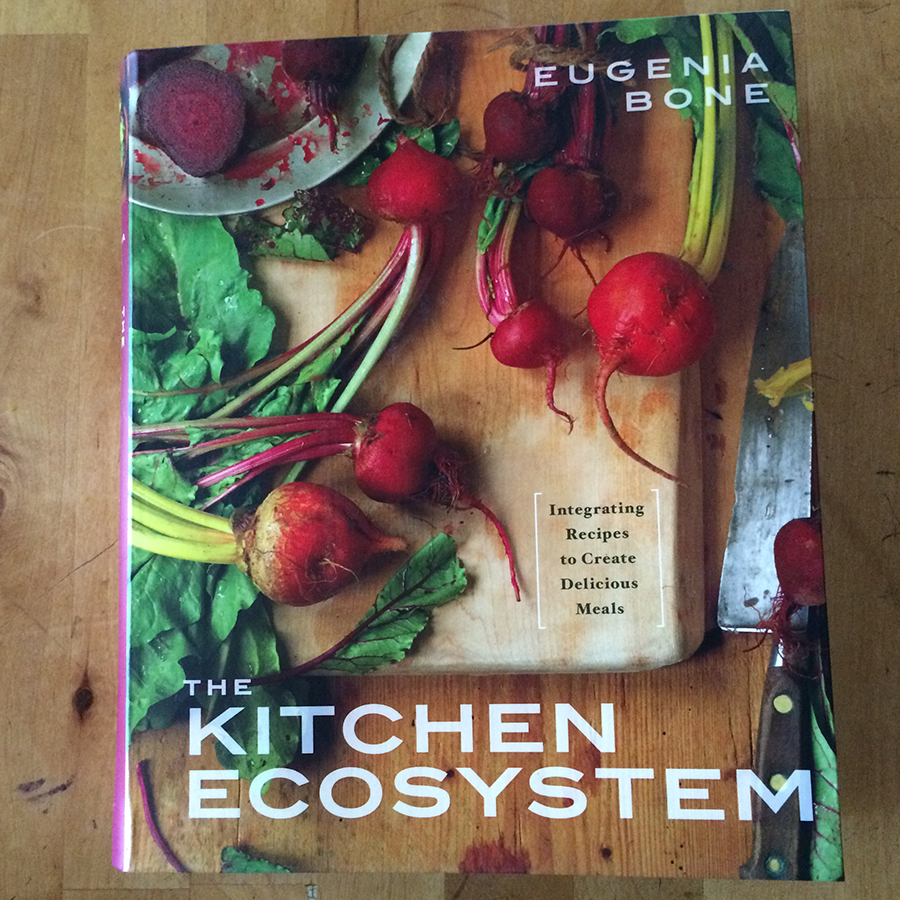
This is the one for all your resolutions. Resolve to kick more ass in the kitchen. Resolve to use up everything you buy, down to the bits and bobs. Resolve to cook cyclically and keep things moving through your kitchen.
I was writing my first book when this book was just a mind-blowing blog post on Eugenia’s Denver Post blog. In Hip Girl’s Guide to Homemaking, Eugenia allowed me to share with readers her concept of infusing your kitchen ecosystem with homemade staples, which in turns cuts down on waste and elevates flavor in ways that commercially made staples just cannot. The blog post is now fleshed out into a gorgeous and totally useful book.
“In the last five years or so, lots of people have gotten interested in preserving foods. I love it: It feels like a revolution. But I think the next step is to value and use the waste streams of our foods. […] We need to catch juices, render fats, reserve waters vegetables were boiled in, save herb stems and cheese rinds and citrus zests, and use them to enhance our cooking.”
Eugenia’s earlier canning resource book, Well Preserved, was the first book I purchased on canning and preserving. I bought it at Greenlight Bookstore in 2009. This particular book appealed to me at the time because it included recipes for what to do with each of the preserved items once you preserved them. (Ogling them on your pantry shelf only goes so far…) The kitchen ecosystem ideas (and Eugenia herself) have been a guiding force for me and totally reshaped my approach to the kitchen, which is, in large part, why I now have a kitchen book myself.
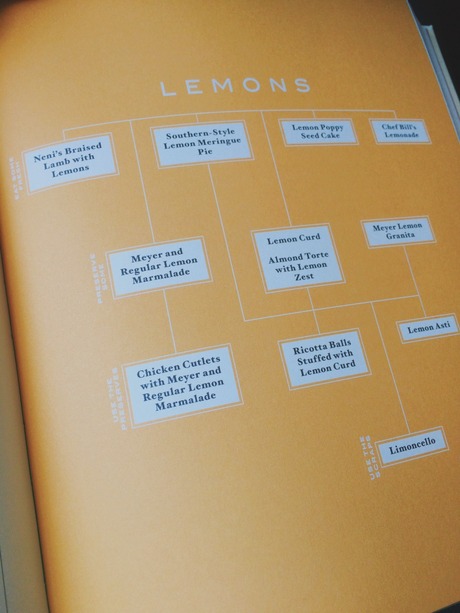
The Kitchen Ecosystem book is organized by ingredients that leave some sort of edible waste stream. And in that geeks-unite way, the flow charts are enchanting. They include tiers for eating some fresh, preserving some, using the preserves, and using the scraps. They are intended for you to riff from and create your own flow charts every time you bring in small quantities of locally-grown, in-season foods.
I can’t wait to share this book with one lucky reader. Clarkson Potter is offering up this giveaway and they’ve requested that I keep it within US and Canada only. Please enter via the widget below.
Disclosures: I purchased a copy of The Kitchen Ecosystem with my own money, but the giveaway recipient’s copy is complementary from Clarkson Potter. The book links in the above post magically deposit a tiny pittance in my savings account each month if you buy the books using those links.
Quisque iaculis facilisis lacinia. Mauris euismod pellentesque tellus sit amet mollis.